Market Insights
How to Inspect a Used Car in Dubai: 10 Smart Checks to Avoid Costly Mistakes
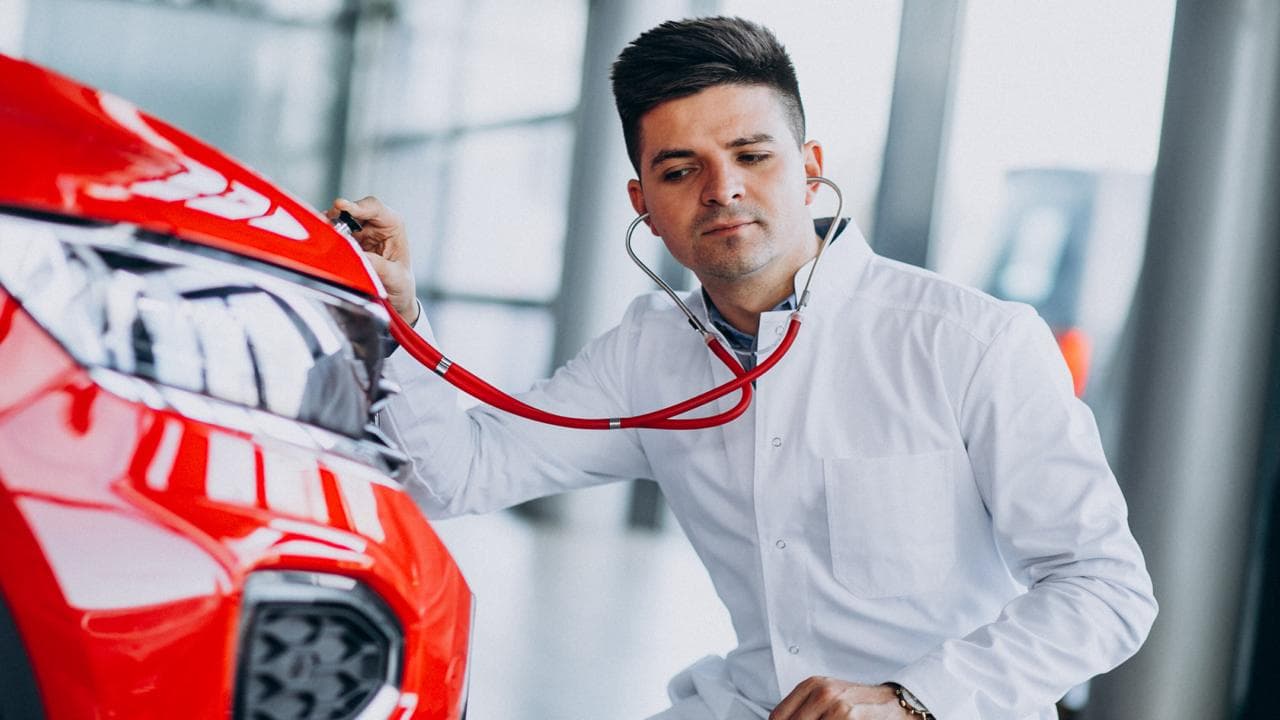
Buying a used car in Dubai can be a smart financial decision, but only if you know how to inspect it properly before committing. For many first-time buyers, especially in the UAE, the inspection process can feel confusing, technical, or easy to overlook. Yet skipping the right checks is one of the most common reasons buyers end up with unexpected repairs, hidden damage, or long-term costs. This is why learning how to inspect a used car in Dubai properly is essential before making any payment or commitment.
In Dubai and across the UAE, the used car market moves fast. Cars change hands quickly through showrooms, online platforms, and major markets like Al Aweer Auto Market. While this gives buyers access to a huge selection, it also means inspections become even more important. A car may look clean on the outside but still have mechanical, structural, or history-related issues that are not obvious at first glance.
This guide is designed for complete beginners. You do not need prior car knowledge, mechanical experience, or technical tools. Each section explains what to check, why it matters, and which inspection resources are commonly available in the UAE. By the end of this guide, you will understand how to inspect a used car in Dubai step by step and make a confident, informed buying decision.
1. What to Check Before Seeing the Car in Person
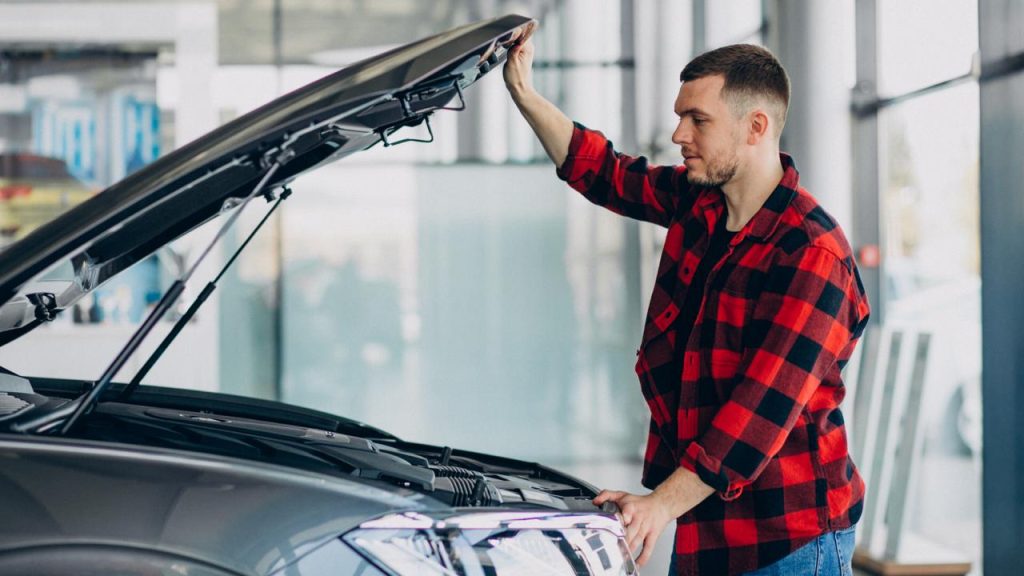
Before you inspect a used car in Dubai physically, there are several important checks you should always do first. This step alone can save you time, money, and help you avoid cars that are not worth inspecting at all. These early checks apply to any used car inspection in UAE and not just in Dubai.
Start With the Listing Details
Whether the car is listed on a dealership website, an online platform, or shared by a private seller, always review the listing carefully. Pay attention to:
- Model year and mileage
- Accident history mentioned or not mentioned
- GCC or non-GCC specification
- Service history availability
- Asking price compared to similar cars
If key details are missing or unclear, that is usually a red flag. A serious seller should be able to provide basic information upfront.
Ask for the VIN and Registration Card
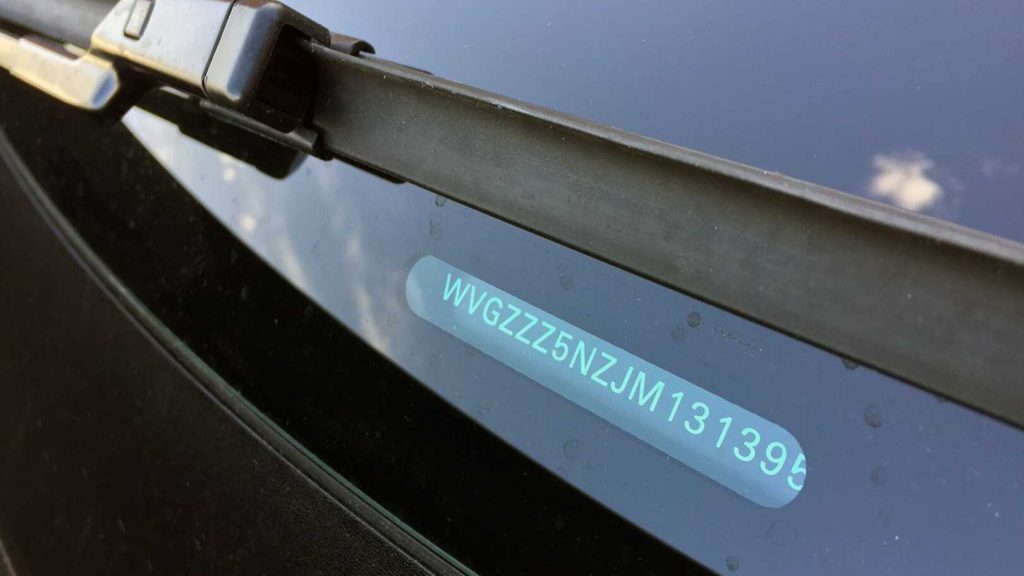
Before visiting, request the vehicle identification number and a copy or photo of the registration card if available. This allows you to:
- Verify the car’s identity
- Check if the car matches the listing details
- Prepare for a history or inspection check
You can also check official government portals like Emirates Vehicle Gate (EVG), Dubai RTA, or the Ministry of Interior (MoI) website using the chassis number (VIN) for accident/registration details. If a seller refuses to share the VIN our chassis number, it is best to walk away.
Check the Market Price First
One of the biggest mistakes beginners make is inspecting a car before understanding its market value. Always compare prices of similar cars with:
- Same model and year
- Similar mileage
- Similar condition and specification
If the price is significantly lower than average, there is usually a reason. Underpriced cars often come with hidden issues, accident history, or mechanical problems.
Confirm Ownership and Selling Authority
Make sure the person selling the car is legally allowed to sell it. Before visiting, confirm:
- Is the seller the registered owner
- If it is a dealer, do they have a valid trade license
- If it is a company car, is there authorization to sell
In the UAE, ownership transfer can only be completed through official RTA channels, so clarity at this stage avoids problems later.
Ask About Inspection and Test Drive Availability
Before committing your time, ask whether:
- The car can be test driven
- A third-party inspection is allowed
- The seller is open to an RTA inspection
A seller who refuses inspection or test drives should always be treated with caution.
Shortlist Before You Visit
If you are browsing cars through a dedicated platform like Al Aweer Auto Market, you can shortlist listings in advance and prepare properly before visiting the physical market. This helps you:
- Compare prices realistically
- Focus only on cars that meet your needs
- Avoid impulsive decisions
Preparing properly before seeing the car in person puts you in control of the buying process and sets the foundation for a safer inspection.
2. Visual Inspection Basics Anyone Can Do
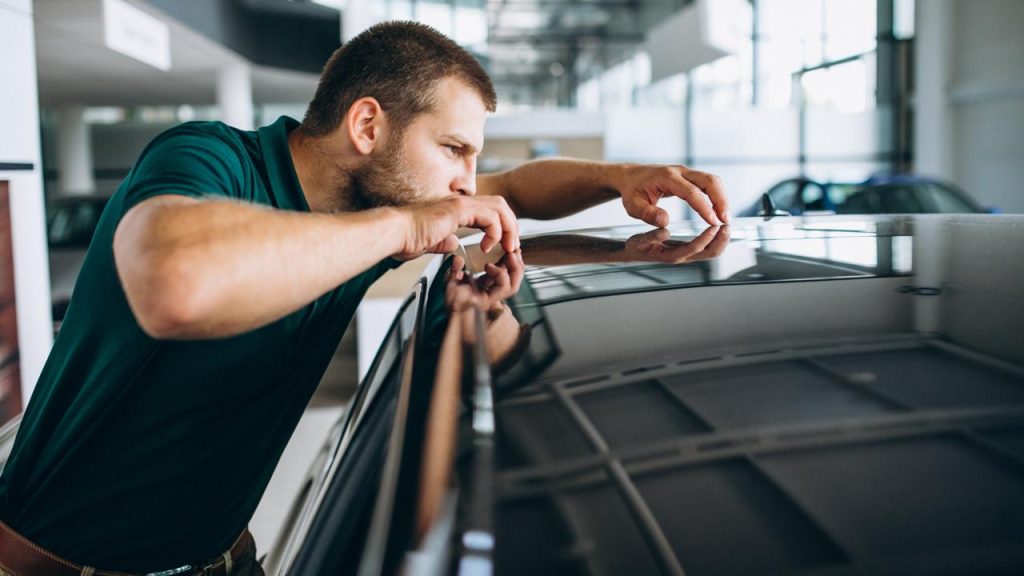
Before involving mechanics or inspection centers, a basic visual check can already tell you a lot about a car’s condition. This step is essential when doing a used car inspection in Dubai, especially for first-time buyers. A careful visual review is one of the easiest ways to inspect a used car in Dubai without tools or technical knowledge, just time, attention, and good lighting.
Start With the Car’s Overall Appearance
When you first see the car, take a moment to look at it from a distance.
- Does the car look straight and balanced on the road?
- Are there visible dents, scratches, or mismatched body panels?
- Does one side look newer or repainted compared to the other?
In Dubai, many cars are repainted to improve resale value. A fresh paint job is not always a problem, but uneven paint or visible touch-ups can indicate previous accidents.
Check Body Panels and Paint Consistency
Walk around the car slowly and inspect each panel closely.
- Look for differences in paint shade between doors, fenders, and bumpers
- Check gaps between panels. They should be even on both sides
- Open and close doors, the hood, and the trunk to ensure smooth movement
Uneven gaps or stiff doors can suggest accident repairs. This is one of the most common red flags found during a used car inspection in Dubai.
Inspect Tires and Wheels Carefully
Tires reveal how a car has been driven and maintained.
- Check if all tires are the same brand and size
- Look for uneven wear patterns on the tires
- Inspect wheels for cracks, bends, or curb damage
Uneven tire wear may indicate suspension or alignment issues, which are common on poorly maintained used cars.
Examine Lights, Glass, and Mirrors
Make sure all external components are intact and functional.
- Check headlights, taillights, and indicators for cracks or moisture inside
- Inspect the windshield for cracks or repaired chips
- Ensure side mirrors are secure and adjustable
Cracked glass or damaged lights may seem minor, but they can fail RTA inspection later and add unexpected costs.
Look Under the Car for Leaks
If possible, crouch down and look underneath the car.
- Check for oil stains, coolant residue, or wet patches
- Fresh oil under the engine area can signal leaks
- Excessive rust is rare in Dubai, but leaks are not
Leaks are one of the most important things to catch early when you inspect a used car in Dubai, especially before committing to a test drive or payment.
Trust Your First Impressions
If something feels off visually, it usually is.
- A clean car should still show signs of honest wear
- Overly detailed engine bays or freshly painted parts can sometimes hide issues
- Sellers who rush you through this step should raise concern
This visual inspection does not replace professional checks, but it helps you decide whether the car is worth taking to the next step.
3. Interior and Comfort Checks
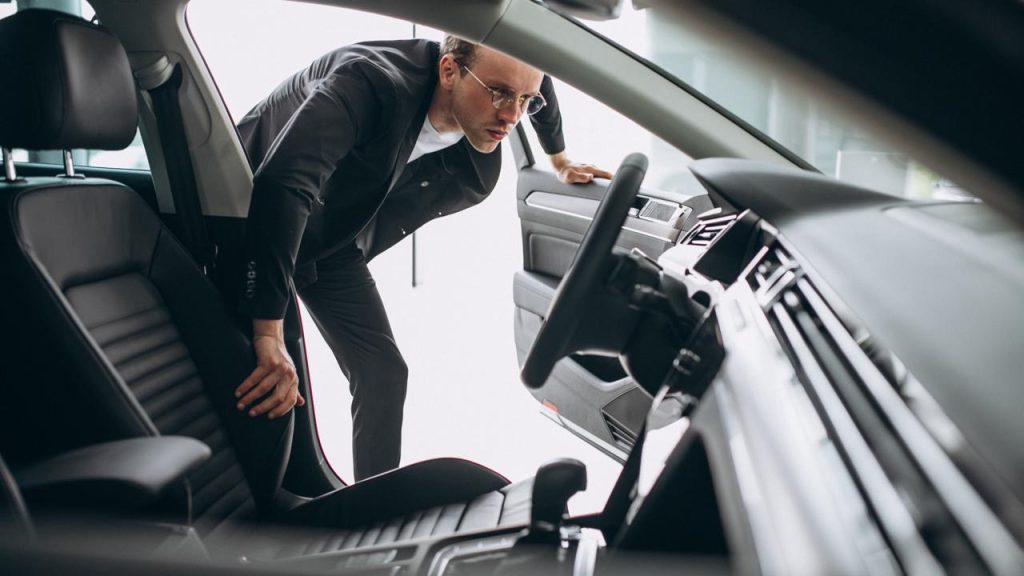
The condition of a car’s interior often reveals more about its history than the exterior. When performing a used car inspection in Dubai, interior wear can help you judge how the car was treated, how many people used it, and whether the mileage makes sense. Interior condition plays a major role when you inspect a used car in Dubai, especially for first-time buyers.
Check the Seats and Upholstery First
Start with the driver’s seat, as it shows the most wear.
- Excessive wear on the seat bolsters may indicate high mileage
- Cracks, tears, or sagging cushions suggest long or rough usage
- Leather seats should feel soft, not dry or brittle from heat exposure
In Dubai’s climate, interiors that are poorly maintained tend to age quickly, so worn seats on a low-mileage car can be a red flag.
Inspect the Steering Wheel, Pedals, and Gear Lever
These areas are touched constantly and should match the car’s claimed mileage.
- A smooth or shiny steering wheel may indicate heavy use
- Worn pedals on a low-mileage car do not usually add up
- Loose or damaged gear selectors can point to transmission stress
When you inspect a used car in Dubai, inconsistencies between interior wear and mileage should always be questioned.
Test All Interior Electronics and Controls
Turn the ignition on and test everything.
- Air conditioning must cool quickly and evenly, especially important in the UAE
- Check windows, mirrors, seat adjustments, and central locking
- Test the infotainment screen, buttons, and steering wheel controls
AC repairs can be costly, and weak cooling is one of the most common issues found during a used car inspection in Dubai.
Look for Signs of Flood or Water Damage
While rare, flood damage can occur.
- Check under floor mats for dampness or mold
- Look for corrosion on seat rails or under the dashboard
- Smell the interior. A musty odor is a warning sign
Water damage can cause long-term electrical problems and should be avoided entirely.
Check Dashboard Warning Lights
When the ignition is turned on, all warning lights should appear briefly and then disappear.
- Lights that stay on may indicate engine, airbag, or ABS issues
- Warning lights that never appear may have been disabled intentionally
This step is essential before moving forward with a test drive or professional inspection.
Comfort and Noise Check While Stationary
Sit in the car with the engine running.
- Listen for rattles or vibrations inside the cabin
- Test seat comfort and driving position
- Check that doors close quietly and seal properly
Interior noise often points to wear, poor repairs, or previous accidents.
Why Interior Checks Matter
Interior condition affects both comfort and resale value.
A clean, well-kept cabin usually reflects responsible ownership and regular maintenance. When combined with a proper exterior check, interior inspection helps you decide whether the car is worth further evaluation or professional testing.
4. Engine Bay Inspection for Beginners

You do not need to be a mechanic to perform a basic engine bay check. During a used car inspection in Dubai, the engine compartment can quickly reveal warning signs of neglect, poor repairs, or hidden issues caused by heat and long-term use. This is a critical step whenever you inspect a used car in Dubai, as engine repairs are often the most expensive.
Open the Hood and Observe Before Touching Anything
Start by simply looking.
- The engine bay should look reasonably clean but not freshly washed
- Excessive oil stains, heavy dust mixed with grease, or loose components are warning signs
- Avoid cars where the engine bay looks unusually shiny, as this can hide leaks
A natural, slightly dusty engine bay is often a better sign than one that looks freshly detailed.
Check for Oil Leaks and Fluid Residue
Look around the engine block, hoses, and under the hood.
- Dark oil residue around seals or covers may indicate leaks
- Wet areas near hoses can point to coolant or power steering leaks
- Strong fuel smells are not normal
Leaks are one of the most common issues discovered during a used car inspection in Dubai, especially in older vehicles.
Inspect Engine Oil Condition
Ask the dealer or seller to check the oil dipstick.
- Oil should be brown or amber, not black and thick
- Milky or foamy oil may indicate serious engine issues
- Very low oil levels suggest poor maintenance
Oil condition often reflects how well the car was serviced over time.
Check Coolant and Other Fluids
You do not need to open caps on a hot engine.
- Coolant should be visible and clean, not rusty or muddy
- Brake fluid and windshield fluid should be at proper levels
- Empty or very low fluid reservoirs raise concerns
In Dubai’s climate, cooling system health is critical and costly to repair if neglected.
Inspect Belts, Hoses, and Wiring
Look for obvious wear.
- Cracked or brittle hoses may fail soon
- Loose wiring or tape repairs suggest past electrical issues
- Squealing noises during startup may point to worn belts
These parts degrade faster in hot conditions, making this step especially important when you inspect a used car in Dubai.
Listen to the Engine While Idling
Start the engine and listen carefully.
- The engine should idle smoothly without shaking
- Knocking, ticking, or rattling sounds are red flags
- Loud vibrations felt inside the cabin may indicate engine mounts or misfires
A quiet and stable idle usually indicates a healthier engine.
Look for Warning Signs of Past Accidents
Check inside the engine bay for:
- Bent metal
- Misaligned bolts
- Fresh paint on structural parts
These can indicate previous front-end accidents that may not be obvious from the outside.
What This Check Tells You
An engine bay inspection helps you decide whether the car is worth a test drive or professional inspection. It does not replace expert testing, but it can prevent you from wasting time on cars with clear mechanical risks.
If anything looks suspicious, the next step should always be a professional evaluation before payment.
5. Test Drive Checks That Reveal Hidden Problems
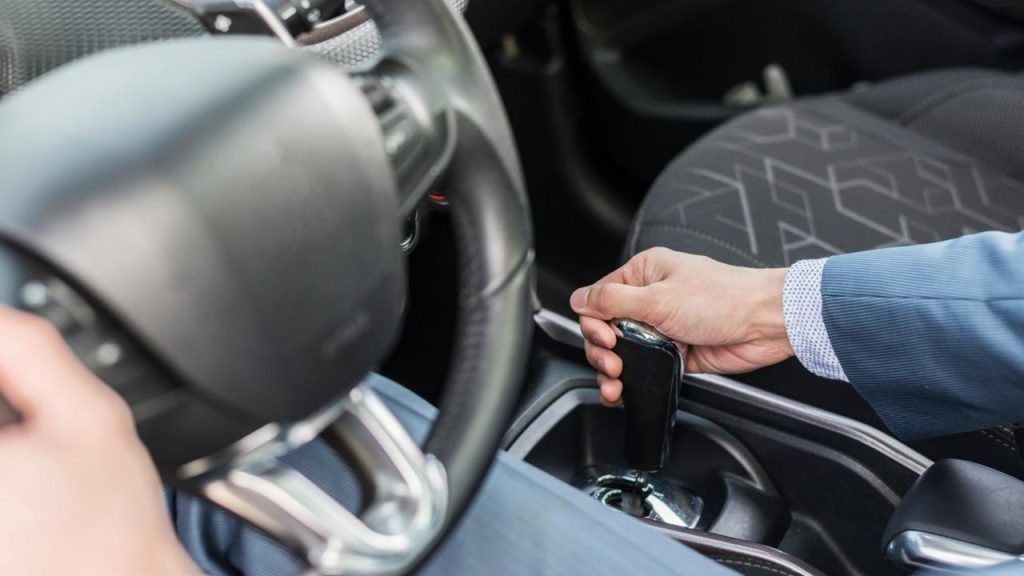
A test drive is one of the most important steps when you inspect a used car in Dubai. Many mechanical and transmission issues only appear once the car is moving, especially in stop-and-go traffic and at highway speeds. Always insist on a proper test drive before making any commitment.
Start With a Cold Engine If Possible
If the car has been sitting for a while, start it from cold.
- The engine should start smoothly without hesitation
- Rough starts, long cranking, or loud knocking noises are warning signs
- Excessive smoke from the exhaust is not normal
Cold starts often reveal issues that disappear once the engine warms up.
Check Steering and Handling at Low Speeds
Drive slowly first.
- The steering wheel should feel smooth and responsive
- Pulling to one side may indicate alignment or suspension issues
- Clicking sounds when turning can point to worn joints or steering components
Urban driving conditions in Dubai make steering performance especially important.
Test Acceleration and Gear Shifts
Gradually increase speed.
- The car should accelerate smoothly without jerking
- Automatic gear changes should feel seamless
- Delayed shifts, sudden jerks, or slipping gears are red flags
Transmission repairs are expensive, so this step is critical during any used car inspection in Dubai.
Brake Performance and Pedal Feel
Test the brakes in a safe area.
- The brake pedal should feel firm, not soft or spongy
- The car should stop smoothly without vibration
- Grinding or squealing noises may indicate worn brake components
Brake issues are common and easy to detect during a proper test drive.
Listen for Suspension Noises
Drive over small bumps or uneven roads.
- Clunking or rattling sounds may indicate worn suspension parts
- Excessive bouncing after bumps is not normal
- A stiff or uncomfortable ride can point to suspension damage
Suspension components wear faster in hot climates and rough driving conditions.
Monitor Dashboard Warning Lights
During the drive, watch the instrument cluster.
- No warning lights should remain on after startup
- Check engine, ABS, or transmission warnings should never be ignored
- Flickering or intermittent lights suggest electrical problems
Dashboard warnings often appear only while driving, not while parked.
Test Air Conditioning Under Real Conditions
In Dubai, air conditioning is not optional.
- AC should cool quickly and consistently
- Weak airflow or warm air indicates system issues
- Strange smells may point to mold or leaks
AC repairs can be costly, making this one of the most important test drive checks.
Drive at Highway Speed if Possible
If allowed, take the car onto a faster road.
- The car should remain stable at higher speeds
- Vibrations through the steering wheel may indicate tire or alignment problems
- Excessive wind or road noise can suggest poor insulation or past damage
High-speed driving reveals problems that city driving may hide.
What the Test Drive Confirms
A proper test drive helps confirm whether the car’s condition matches what you saw during visual and engine checks. If anything feels off, it is best to pause and arrange a professional inspection before moving forward.
6. Professional Inspection Options in Dubai

Even if you feel confident after a visual check and test drive, arranging a professional inspection is one of the smartest decisions you can make when you inspect a used car in Dubai. Trained inspectors can detect issues that are easy to miss without technical knowledge or proper equipment.
Professional inspections are especially important in Dubai’s used car market, where vehicles may look clean on the surface but still have hidden mechanical or structural problems.
When You Should Get a Professional Inspection
A professional inspection is strongly recommended if:
- You are buying your first used car
- The vehicle is expensive or high mileage
- The seller cannot provide a clear service history
- You plan to finance the car through a bank
- You want peace of mind before final payment
For anyone unfamiliar with cars, this step can prevent costly mistakes.
Independent Third Party Inspection Companies
Dubai has many third party inspection services that specialize in used car inspection in Dubai. These companies are independent and do not represent the seller.
What they typically check:
- Engine condition and diagnostic scan
- Transmission and drivetrain
- Suspension, steering, and brakes
- Chassis integrity and accident signs
- Electrical systems and warning codes
Most inspections are done at the seller’s location or at a nearby testing facility, and reports are usually delivered the same day.
Mobile Inspection Services
Some companies offer mobile inspections where a technician visits the car’s location.
- Convenient if the car is at a dealership or private seller
- Ideal for busy buyers or first time buyers
- Results are usually shared digitally with photos and notes
This option is popular for buyers who want to inspect a used car in Dubai without moving it first.
Dealer Provided Inspections
Some dealerships offer their own inspection reports.
- These can be useful but should not replace an independent check
- Always ask what the inspection covers
- Avoid relying solely on a seller’s internal report
Independent verification and inspection is always safer.
Cost of Professional Inspections in Dubai
Inspection prices vary depending on depth and provider.
- Basic inspections are usually affordable
- More detailed inspections cost more but offer greater confidence
- Compared to repair costs, inspections are a small investment
Skipping this step can be far more expensive in the long run.
How This Fits Into the Buying Process
A professional inspection should be done before:
- Paying a full deposit
- Signing final agreements
- Applying for bank financing
- Completing ownership transfer
Many banks also require a clean inspection or RTA passing result before approving loans.
A professional inspection gives you leverage during negotiation and protects you from unexpected repairs after purchase.
7. RTA Inspection and Passing Tests
In Dubai, the RTA inspection is one of the most important steps when you inspect a used car in Dubai and prepare it for ownership transfer or registration. This is an official technical inspection conducted at RTA-approved testing centers to confirm that the vehicle meets road safety standards.
Unlike private inspections, an RTA test is mandatory for most used car transactions.
What Is an RTA Inspection?
An RTA inspection is a standardized vehicle test required to:
- Transfer ownership of a used car
- Renew vehicle registration
- Register a car that was previously unregistered
The test focuses on roadworthiness, safety, and compliance with Dubai regulations. It does not evaluate comfort or cosmetic quality. However some RTA approved vehicle testing centers provide inspection. services at an additional cost.
Where RTA Inspections Are Done
RTA inspections are conducted at authorized centers such as:
Most buyers encounter the RTA test when buying from dealers at major markets like Al Aweer Auto Market or when purchasing from private sellers.
What the RTA Inspection Checks
During the inspection, technicians examine:
- Engine and transmission condition
- Brakes and suspension
- Steering system
- Chassis and structural integrity
- Lights, indicators, and electrical systems
- Tires and emissions
- VIN and vehicle identity verification
If the car passes, it receives an RTA passing certificate valid for a limited period.
Who Is Responsible for the RTA Test
In most cases:
- Dealers arrange the RTA passing test before sale
- The test acts as proof that the car meets legal standards
- Buyers can also request to handle the test themselves if they prefer
If a seller refuses an RTA test, this should be treated as a warning sign.
What Happens If a Car Fails the RTA Test
If the vehicle fails:
- A failure report is issued listing required repairs
- The car must be repaired and re-tested
- Ownership transfer cannot proceed until the car passes
This is why RTA inspection is essential when you inspect a used car in Dubai before committing financially.
RTA Inspection vs Professional Inspection
It is important to understand the difference:
- RTA inspection checks legality and road safety
- Professional inspections check mechanical health and long-term reliability
For best results, buyers should use both.
How RTA Inspection Fits Into the Buying Process
RTA inspection is required before:
- Ownership transfer
- Vehicle registration
- Issuance of a new Mulkiya
Without a valid passing certificate, the transaction cannot be completed.
Understanding the RTA process helps buyers avoid delays and ensures they are buying a car that is legally approved for use on Dubai roads.
8. Vehicle History and Accident Checks
When you inspect a used car in Dubai, checking the vehicle’s history is just as important as inspecting its physical condition. A car may look clean on the outside but still have a past involving accidents, flood damage, or mileage inconsistencies.
Why Vehicle History Checks Matter
Vehicle history checks help you confirm:
- Whether the car has been involved in accidents
- If the mileage is genuine
- Whether the car was written off or declared a total loss
- If there are outstanding loans or legal issues
Skipping this step is one of the most common mistakes buyers make when they inspect a used car in Dubai.
RTA Vehicle History Check
The Dubai Roads and Transport Authority provides an official vehicle history report using the chassis number (VIN). This report may include:
- Accident records registered in Dubai
- Registration and ownership history
- Mileage readings recorded during RTA inspections
This is one of the most reliable local sources for accident data within Dubai.
Insurance-Based Accident Records
Some accidents are recorded through insurance companies rather than RTA systems. Dealers or sellers may provide:
- Insurance claim history
- Repair invoices
- Accident repair documentation
Always ask for supporting documents if an accident is disclosed.
Imported Cars and History Limitations
If the car was imported:
- Accident data may not be fully available in UAE systems
- History reports from the country of origin may be required
- Buyers should be extra cautious and combine history checks with a professional inspection
Imported vehicles require deeper verification before you inspect a used car in Dubai and proceed with payment.
Mileage Verification
Mileage tampering is rare but possible. To reduce risk:
- Compare mileage across RTA reports
- Check service records
- Look for wear that does not match the odometer reading
Large inconsistencies are a red flag.
What a History Check Does Not Show
Vehicle history reports usually do not reveal:
- Minor cosmetic repairs
- Mechanical wear
- Poor-quality accident repairs done without insurance claims
This is why history checks must always be combined with physical and mechanical inspections.
Best Practice for Buyers
Before committing:
- Request the VIN from the seller
- Run an RTA vehicle history check
- Ask for insurance and service records
- Match documents with the car physically
A clean history does not guarantee a perfect car, but it significantly reduces risk when you inspect a used car in Dubai.
9. Common Inspection Mistakes Buyers Make
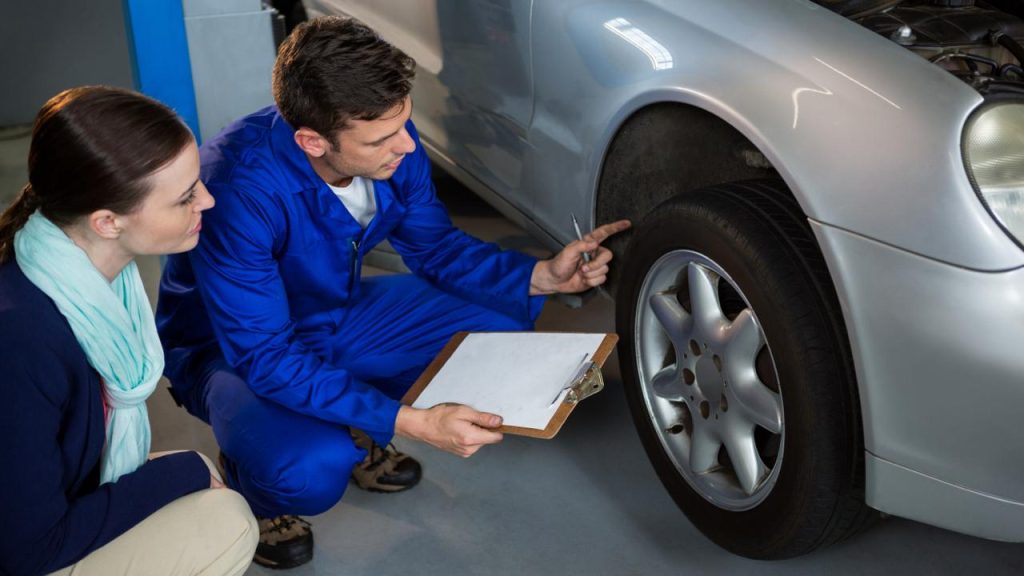
Even buyers who plan to inspect a used car in Dubai carefully can make mistakes that lead to unexpected costs later. Understanding these common errors can help you avoid problems before committing to a purchase.
Relying Only on Visual Appearance
A clean exterior or freshly detailed interior does not guarantee a car is in good condition. Cosmetic work can hide mechanical issues, accident repairs, or water damage. Always look beyond appearance when you inspect a used car in Dubai.
Skipping a Test Drive
Some buyers agree to buy a car after a short look without driving it. A test drive helps reveal problems such as:
- Transmission hesitation
- Steering vibration
- Brake noise
- Engine hesitation or warning lights Never finalize a deal without driving the car yourself.
Trusting Verbal Claims Without Proof
Statements like “accident-free” or “dealer-maintained” should always be supported by documents. When you inspect a used car in Dubai, request:
- RTA vehicle history
- Service records
- Insurance repair documents if applicable
Not Getting a Professional Inspection
Many buyers rely only on personal checks. While basic inspection is useful, it does not replace a professional mechanical assessment. Skipping this step is one of the costliest mistakes when you inspect a used car in Dubai.
Ignoring RTA Inspection Requirements
Some buyers assume a recent RTA test is unnecessary or optional. An official RTA inspection confirms roadworthiness and verifies chassis identity. It should always be completed before ownership transfer.
Rushing the Decision
Pressure tactics or “limited-time offers” often lead to poor decisions. Take your time, compare multiple cars, and avoid making payments before completing all inspections.
Overlooking Total Ownership Costs
Buyers sometimes focus only on the purchase price and ignore:
- Insurance cost
- Maintenance history
- Spare parts availability
- Resale value A cheaper car can become expensive after purchase.
Best Advice
When you inspect a used car in Dubai, slow down the process. Ask questions, verify documents, and combine personal checks with professional inspections. A careful approach reduces risk and leads to a more confident purchase.
10. Final Inspection Checklist Before Payment
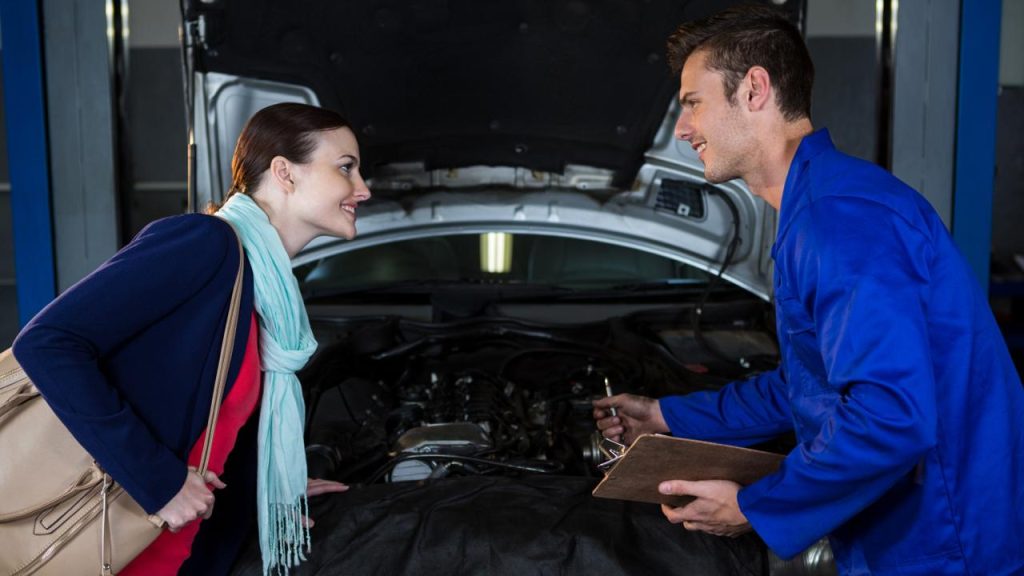
Before making any payment, it is important to pause and run through a final checklist. This step ensures nothing was missed during earlier inspections and helps protect you from costly surprises after the purchase. Whether you are buying from a dealer, the Al Aweer Auto Market, or a private seller, this checklist applies every time you inspect a used car in Dubai.
Vehicle Condition Confirmation
Make sure the car’s condition matches everything you have been told and observed.
- Exterior panels are aligned and free from hidden repairs
- No warning lights are active on the dashboard
- Engine runs smoothly with no unusual sounds
- Brakes, steering, and suspension feel stable during a test drive
If anything feels different from earlier checks, stop and reassess before moving forward.
RTA Inspection Status
Confirm that the car has either:
- Passed a recent RTA inspection, or
- Is ready to be taken for an RTA inspection before ownership transfer
An RTA passing test is essential for registration and confirms the car meets road safety standards in Dubai.
Vehicle History and Documents
Before payment, verify all paperwork carefully.
- Vehicle Registration Card (Mulkiya)
- Matching chassis number on the car and documents
- Vehicle history or accident report if available
- Service records and maintenance invoices
When you inspect a used car in Dubai, document checks are just as important as mechanical checks.
Seller Verification
Ensure the seller is legitimate.
- Dealer has a valid trade license
- Private seller’s Emirates ID matches the ownership documents
- No outstanding fines or loans linked to the vehicle
Never rely on verbal assurances alone.
Insurance and Registration Readiness
Confirm that insurance can be issued immediately after purchase. Without valid insurance, the car cannot be registered or legally driven. Dealers often assist with insurance, but you can also arrange your own policy.
Payment Safety
Only proceed with payment when all inspections are complete.
- Avoid paying deposits before inspection and document verification
- Use traceable payment methods whenever possible
- Ensure a written sale agreement or invoice is provided
Final Check Before Signing
Ask yourself:
- Am I confident in the car’s condition?
- Are all documents clear and verified?
- Have I completed every inspection step without pressure?
If the answer to any of these is no, delay the purchase.
Final Tip
When you inspect a used car in Dubai, the last checklist is your strongest protection. Taking a few extra minutes before payment can save months of frustration and unexpected expenses later.
This completes the inspection process. The next step is applying everything you have learned to make a confident, informed purchase.
Get Started
Whether you’re buying or selling a car, your online journey starts here.
Sign up or contact our team for support.